 History repeats itself is an old
saying that for the most part is true.
As I examine the myriad of folktales, I find myself spending hours
reading the different versions one finds throughout the world. The titles of the stories may differ and
characters change but the plot and theme of the story are the same. Authors have relied on these old traditions
and familiar patterns as the themes are what people can identify with and they
become recognizable for the audience.
Many of the moral tales are accredited to Aesop. Most are familiar with Hare and the Tortoise,
“plodding wins the race”, Fox and the Grapes, “easy to despise what you cannot
get”, and Wolf in Sheep’s Clothing, “appearances are deceptive”.
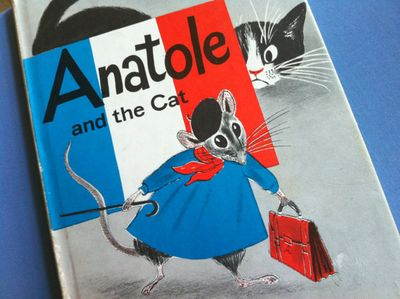
One of my favorite stories that I
tell to children is Anatole and the Cat.
Anatole is the Parisian “mouse magnifique” who has the smarts and
courage to bell the cat in order to protect his job and his life. What great surprise in finding Belling the Cat
was an Aesop fable which implied it is easy to propose impossible remedies and
difficult to carry out.
Storytelling will always exist,
what shape it takes continues to differ and be part of present cultural
norms. We see films, hear and read
stories that are adaptations of stories with ancient mythological
formulas. Some examples are Star Wars,
The Hobbit series, Narnia and Avatar.
What I find interesting about fables, folktales and myths is that no
matter how many times their plots and themes may be repeated the stories are
always fun to read or see on the movie screen.
Annie Leonard stated that epics invite the audience to be key characters
in that conflict plus provide role models. The passionate, strong, rebels and
risk takers are people we would like to emulate. What better way to dig in the popcorn and
become one with the characters that are portrayed in the stories.


Leave a Reply