 I like to do things the right way: traditionally, methodically, meticulously, perfectly, and . . .differently. That it is “different” is one of the things about “Beauty and the Beast” that I like. Most folktales came from an oral tradition passed down through ages around camp or hearth fires and/or told and retold village to village. However, “B&B” is different. Though some say it hails back to “Cupid and Psyche”, which is plausible, the credit for this 300+ page story entitled La Belle et la Bete goes to Gabrielle-Suzanne Barbot de Villeneuve. Hurrah for you, Gabrielle-Suzanne! To come up with a novel (pardon the pun) idea, put it into book form, and have it become so beloved that people everywhere claim it for their own, and tell their versions of the tale in their own words and in their own countries is absolutely divine. Tres Bien! Tres Magnifique!
How fun it must be to be the first at something. As we research folktales, and try ever harder to make our way back … back to the beginning, to where the oral tradition began and to understand the reasoning for that beginning, it’s exciting to think that once, once upon a time, long, long ago, some person had an idea or noticed something, remembered a happening, or saw a need, and then acted upon that prompting. Voila! There it was: the inception of a tale.
I’d have been excited to invent something wonderful like the hula hoop, penicillin, a perfect energy source, permanent press fabric, post it notes, the steam engine, the wheel, computers, ice makers, the internet, eyelash curlers, the way to world peace, or even a yo-yo. It would be fun to coin a new phrase, or start a fad. How gratifying that would be! How absolutely great to have that crystal clear idea, and make it happen.
In 1740, Gabrielle-Suzanne Barbot de Villeneuve did just that. In 1756, Jean-Marie Le Prince de Beaumont took the lengthy (and somewhat savage) tale and abridged and rewrote it. She kept what she deemed the treasured jewels of it and discarded what she considered excess. After publishing her 17 page version in French, a year later “Beauty and the Beast” was printed in English. Thus was born the enduring story we know today.
It’s a journey worth the taking, a treasure worth the finding, as we sift through the murky sands of time to find the ageless, precious jewels that remain. A rose among thorns, “Beauty and the Beast” not only tells a tale, but challenges the readers or hearers to look at their world and not only see beauties and beasts, times and seasons, blessings and challenges, journeys and changes, but to also discover those elements lying within themselves, take them out one at a time, inspect them, judge them, and either discard them as slag or polish them until they become bright, priceless gems of wisdom and experience.
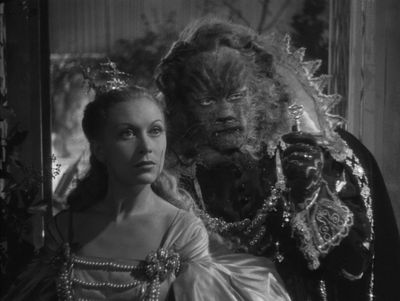
The image at the top is a still from Jean Cocteau's 1946 film, La Belle et la Bête.


Leave a Reply