 When I look back on the days I was
addicted to commercial radio, I realize the tunes that really sank in were the
ones that told me a story. Songs such as
“Have You Seen Her?”; “It’s a Thin Line
Between Love and Hate”; “Brandy (You’re a Fine Girl)”; “Poke Salad Annie”; “A
Boy Named Sue”; “Patches”; and, of course, “Tie a Yellow Ribbon ‘Round the Old
Oak Tree”. (Gee, I feel like an ad for
Time-Life). Of course, all the above,
whether pop, country, novelty or R&B, are examples of that great
stories-in-song genre, the ballad.
Simply put, a ballad is a
narrative, a story set to song, or one versed in a musical manner. Think of Beowulf, belted across the smoky
hall to entertain the king and his guests over a week of cold winter
nights. Meter and rhyme entrances and
gets that story across.
The most famous name in U.S.
ballads is Francis Child, a Harvard professor who spent years combing the
backwoods of the South in search of unspoiled retentions of English and
Scottish ballads. Child collected more than
three hundred ballads (For a contemporary spin on the movement he helped spawn,
see the film, Songcatcher). Another great source is John and Alan Lomax’s
American Ballads and Folk Songs.
When I started playing banjo the
second tune I learned was “John Henry,” the story of the steel-driving man who,
in 1875 West Virginia, defeated a steam-powered drill in a race, but died with
a hammer in his hand a result. “John
Henry” is the tip of a rich berg of African American ballads that grew up
‘round the turn of the last century. “Stagger
Lee” and “Casey Jones” and other examples can be found on the
Smithsonian/Folkways CD, Classic African
American Ballads. BTW: “John Henry”
is one of the most covered songs, ever.
Old time ballads—rich in ancient
imagery and cultural nuance – make great source material for storytelling. They are also a great addition to your
repertoire as a storyteller. The Sudiata
epic became part of my repertoire after I was taught a Mande ballad, “Faden Kele”, which recounted one incident in that
pivotal West African story.
The great teller—and
singer/puppeteer/guitarist—Willie Claflin sometimes includes accompanied or a capella ballads in his storytelling
sets. For, every story put to song can
be taken out of verse and brought to new life recast in your own voice. It can
then be sung or played behind your telling. The blues legend Taj Mahal recorded
a great example of that with his “Talking John Henry” on his CD, Shake Sugaree, on the Music for Little
People label.
One of my favorite stories-in-song
I first heard twenty-one years before Taj released the disc above. It helps me weave a telling that starts with
a tune many folks are familiar with, and then sinks down into the atrocities of
1950s Mississippi. It was great gifting to an innocent young man from an
unknown elder. You see,
D C D
It was the third of June,
another sleepy, dusty Delta day,
D
C
D
I was
out choppin' cotton and my brother was balin' hay.
G G7
And at
dinner time we stopped and walked back to the house to eat,
D
C
D
and Mama hollered at
the back door, "Y'all remember to wipe your feet!"
G
And then
she said, "I got some news this mornin' from Choctaw Ridge.
D
C
D
Today
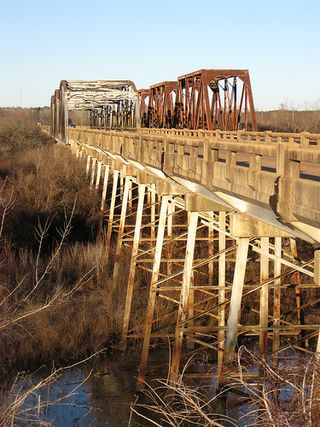
Billy Joe MacAllister jumped off the Tallahatchie Bridge."
of this form.
the name “ballad” is believed to derive from ballares, medieval French
dance songs. The word “ballet” comes
from the same source. Ooo, la-la!).
Sule.


Leave a Reply