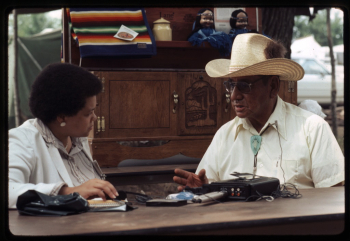
 Traditional folktales were shared orally for many, many, years. Over time, however, when the oral tradition, became less prominent, these stories were saved by folklorists who thought they were important enough to write down. Perhaps none are as famous as the Brothers Grimm who traveled throughout Germany recording stories in the 1800’s. Jack Zipes writes, “The[ir] tales are about children and families and how they reacted to the difficult conditions under which they lived. The Grimms thought the stories and their morals emanated naturally from the German people in an oral tradition, and they wanted to preserve them before the tales were lost forever.” Many other scholars also had the desire to save stories before they were forgotten. That is why we now have written versions of folktales from throughout the world.
Sometimes folklorists recorded these stories accurately. But other times there were “problems” with either the translation or the transcription. For example, The Brothers Grimm produced several editions of their tales. The earlier more violent versions were closer to the actual stories told, while the later versions were edited greatly in a desire to share the stories with children.
As storytellers, we may assume that all the stories worth telling have already been recorded. But that is not true. Much of the known collection of Irish folktales was written down in the twentieth century. In reality, there are probably many folktales and story variants that have never been recorded. Further, even more stories still need to be translated into English.
So, if there are traditional tales that you were told as a child or if you have grandparents or other elders in your family who know them; you can honor these stories by writing them down and sharing them with others. Perhaps you are able to translate some folktales into English. These stories might be variants told in your town or geographic area. They might even be stories that no one has ever heard before. Either way, record them in an audio file or write them down! You’ll have a record of the stories told in your family, which can be shared with later generations.
But before you begin, there are some things to remember; for recording a story, is a very different process than telling a story. The following are issues to consider:
- Record the story accurately. When we become a folklorist, we want to provide an accurate written record of the story. We want to be sure not to embellish the story or fill in any missing elements. We do not want to edit it. That is what we do as storytellers but not what we do as folklorists. Translate or transcribe the tale, as you find it as accurately as possible.
- Beware of cultural issues. Even if we are recording a story from our family, it may have originated from another country. Do we understand all the cultural issues of the story? Is there any part of the story that doesn’t make sense? It’s easy to misunderstand or misinterpret stories from another culture or mistranslate words from another language into English. Ask questions when needed. The less assumptions we make, the more likely we are to be true to the story.
- Historical elements. Does the story seem to explain an event in history, an historical figure, or a geographic landmark? If so, a little outside research may be helpful to understand the story.
- Words having unique meaning. Words can have unique meaning in particular cultures. For example, a word might have both a common and a slang meeting. Using the English definition might miss the actual meaning in the context of your story.
- Meaning of the story. Many folktales have a moral, teaching or “meaning.” Understanding the values of the story’s culture is important to recording the story accurately.
- Metaphors and Humor. Humor and metaphors contained in stories are especially difficult to translate. For example, the saying “the apple doesn’t fall far from the tree” could be interpreted literally as being about apples falling. If so, that translation would miss the meaning that sons and daughters are often very much like their parents. If you are able, ask additional questions.
- What you hear may be different. Folktales often include songs and sound effects. Work to retain the original word patterns or rhymes. Retain any repetitions of words or phrases. Explore words that are used for sound effects. For example, a pig says “oink” in English, but it says “Boo Boo” in Japan!
- Remember the source. Be sure to record the source of your tale. If you are translating the story, what is the original source? Provide full bibliographic information. If you received your story from a family member or elder, be sure to record their name, how you know them, when and where the interview took place.
The bottom line is to honor the story and record it as shared. This is what is required to record these stories in its original form. For information on interviewing and recording a story in an audio file, review the “Collecting and Recording Family History” guide.
Telling the Stories Collected
Once the folktales are recorded, it’s time to pick one story to tell! Telling stories is very different from recording the story. Remember as storytellers we stay true to the tale’s narrative. But we are also free to expand upon that to describe the environment and the characters, provide dialogue and sound effects, etc. In essence, we bring the tale alive.
Still there are things to be aware of in telling this story. Understand the story within its culture and history if possible. Use the language of the story, correctly pronouncing the names and places. (Google does a good job of giving you an accurate pronunciation.) Some tellers employ a bilingual approach to a story using terms found in the original culture. This approach can provide the audience with a greater understanding of the story in its original form.
Writing a Book
Folktales are often turned into books. This is when a traditional folktale or fairy tale becomes part of a literary work. There are many ways this can be accomplished. The first is a simple retelling of the story. These are often published as children’s books. Storytellers sometimes write the stories they tell orally (that is their own unique version of the tale). These are identified on the title as being “compiled by,” “based on a folktale,” or indicated to be a story variant.
The second approach is based on creative writing. Authors of these works expand on a traditional fairy tales or folktales. They can place their own creative twist on the story. They might change one event. How would the story shift if that occurred? What might happen after the story ends? The options are endless. These stories are fantasy stories of individual authorship. The works are not identified as authentic folktales.
For more information on culture and storytelling: Stotter, Ruth, "The Storyteller: Bridge Between Cultures," in About Story – Writings on Stories and Storytelling (np: Stotter Press) 1994.
The image at the top of the post comes from here, another excellent source on collecting folklore.
Leave a Reply