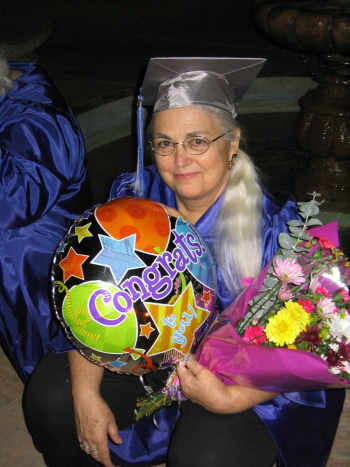
 I learned today that Janet Fraser Means passed away earlier this month. She was so important to the development of the here to see a post I wrote about her in 2009.–Liz
Mothers, Daughters, Sisters by Janet Fraser Means: Every family has its myths and legends, those stories that are passed down from generation to generation, no one ever knowing for sure if they are true or if they began with a grain of truth and then just grew like topsy. They are the family’s own folktales. Imagine this. We are sitting in a cottage a long time ago. It is small but cozy and well kept. The walls have been whitewashed and brightly colored curtains cover the window. The window is shuttered now for it is winter and the snow is piled up outside. In the corner of the room is the ladder that leads up to the sleeping loft above. A fire crackles on the hearth and an old woman stirs the soup. The table is set. Soon the family will gather for their evening meal. Tonight there will be a visitor at the table for the tailor is staying with the family while he makes their clothes for the coming year. The old woman ladles the soup into the waiting bowls and sits down at the head of the table. Her son sits across from her, and three little children sit side by side on a bench. A baby sleeps in a cradle in front of the fire. There is just room for the tailor to take his place across from the children, next to their mother. As soon as the meal is finished, and the plates cleared away the children with one voice say " Granny! Granny! Tell us a story. Tell us about the time you and Uncle Hans were lost on the woods" So once again Gretel tells her grandchildren about how she and Uncle Hans got lost.
"They called him Hansel then," she begins, because he was a little boy, just a little boy. And I was even younger. We loved each other so much that we always stuck together. And a good thing we did too for once we got lost in the woods. We were so very, very poor that we often didn't have anything to eat for days at a time. We couldn't get any help from our neighbors because everyone was as poor as we were. So we just had to do whatever we could to keep going. This little house where we live now is like a castle compared to the one, I grew up in so long ago."
Everyone listens with rapt attention while Gretel goes on to tell her story about how the family was starving and finally there was nothing more to eat all. "Finally, she says, "Mother convinced Father to take the two of us out into the woods and leave us. She said she couldn't bear to watch us starve to death and it might be possible for the two of them to survive if they didn't have to feed us too. Mother said that maybe someone would find us and take care of us. Besides, children were considered replaceable in those days."
"Did somebody find you Granny? Did they?" asks one of the children, although she already knows the answer. Granny tells about the old woman who found them and gave them food and let them stay with her until they could go home again. The story is becoming a family legend now. It has been told over and over and with each telling the details change a little bit and parts are added. The mother becomes meaner and meaner. The woods more and more scary. One person's experience begins to transform into a folktale. The tailor carries Granny's story with him to the next place he stays. He changes the story to make it more exciting, and to make it his own. Maybe he was the one who turned the old lady who rescues the children into a witch who entraps them. And so, a folk tale is born.
Eventually the Grimm brothers will collect the story of Hansel and Gretel and change the mother who abandons her children into a stepmother to make it more palatable. No one wants to acknowledge that mothers can and do abandon their children to die in the wilderness. They did so in the time of Hansel and Gretel, and they still do so today.
Leave a Reply