 Story is the way we make sense of the world. In the oral tradition there is often a focus on plot – on what happens – the problem, the resolution, the growth. Because oral stories are remembered, we tend to focus on major elements, rather than specifics like word choice. However, the words we choose carry multiple meanings and connotations, which create the world in which the story occurs. It is our words that paint the images.
The good news is that our subconscious is very good at choosing the right images and therefore the right words. We tend to know that it is important to our story whether the animal in question is a Yorkshire Terrier or a Doberman Pincer, a stray house cat or a Bengal tiger. It matters. But does it matter whether you are facing a lethargic leopard or a cougar sunning itself on a rock? I would argue that it might. Especially if the lethargic leopard lay waiting for Lucy. The simple alliteration, along with the word "waiting" creates an entirely different relationship – and likely connotes a far more magical story.
The minute I wrote about the lethargic leopard who was waiting for Lucy, I felt pulled into a magical world. I wanted to write more, to explore the relationship between the two and the world in which they lived. The best storytellers use language to hook us, to draw us in, to keep us interested. They give their characters power by linking them with metaphors, and their action often has an archetypal quality. Great stories are both very specific in their details and very universal in their themes.
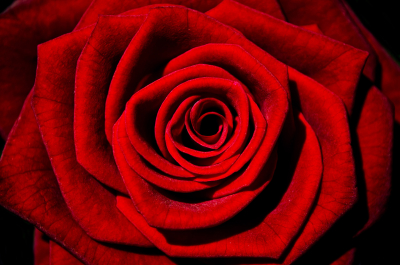
As storytellers, we are well served to think about the language of our stories. We can make word choices without having to force them into our memory or worry about recalling them in our telling. Great metaphors stick with us. "That which we call a rose by any other name would smell as sweet." The line is so famous, so redolent of the inherent attractions, the question so basic, that we don't generally think about the fact that Shakespeare threw that rose in there as a metaphor so he could highlight a number of tensions that were culminating in that moment. We're not going to forget that line, precisely because it hits the subconscious at so many levels.
The more sensual our imagery, the stronger our metaphors, and the more powerful our word choices, the more impact we have. The listener hears our story through the words we use. Song lyrics often provide good examples of this. In Jimmy Buffet's "Cuban Crime of Passion" he sings, "half woman, half child, she drove him half wild." The entire problem is defined in that line. "She was 17 and he was interested" doesn't do the same thing at all.
Can you imagine the three little pigs if the wolf didn't huff and puff and blow the house down? What would happen to the story if the pigs lost all those hairs on their chinny-chin-chins? The story wouldn’t be the same. Little Red Riding Hood can't wear blue. Her red cape is the central image of a theme that is all about burgeoning sexuality. The red cape matters – and we won't forget it.
The interesting question in personal storytelling, versus fairy tales, is how we choose to weave the "reality" of what happened with the needs of story. There are two major pieces here. The first is that what happened is often a matter of perspective. To a two-year-old, every father is "a giant of a man" and all hills are “the size of mountains”. The second piece is how to balance verifiable details with images that portray the deep truths embedded in story. Stories and the archetypes they contain have their own images and their own language.
I believe story is alive. As storytellers, we begin to recognize that stories have their own needs, their own wholeness, and they speak their own truth. The stories tell us what to include and how they need to be told. We know when the cape is red and when the rose has opened. Taking the time to feel the language of our stories, to think about the images, the metaphors, the words, and the sounds, allows us to delve more deeply into our unconscious and to create stories that are both more powerful and more true – regardless of whether the actual details match the events that triggered our need to tell.
As Patrick Rothfuss, a great fantasy writer and a lover of both story and language says, “You have to be a bit of a liar to tell a story the right way.”

Leave a Reply