Columcille
-
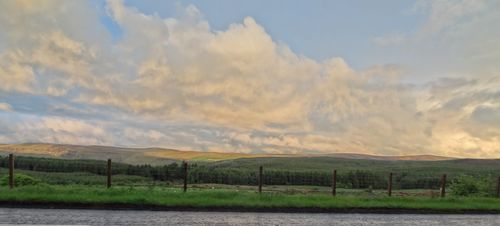
A Treasured Tradition – the Saturday Night Session at Ballyeamon Barn
We arrived in Ireland on Saturday morning and then drove directly from Dublin to Beachview Cottage in Cushendun. Cushendun is just five miles from Cushendall where Liz Weir lives. We arrived with just enough time to shower and get back to Liz's Ballyeamon Barn for the weekly Saturday night session It was a wonderful homecoming…
-
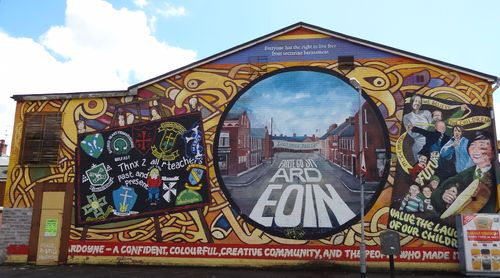
Sunday in Belfast – St. George’s Market and More
Liz Weir took us to Belfast for the afternoon on Sunday. We were headed to the St. George’s Market, but we saw a lot along the way. We passed through Ardoyne, which the mural above proclaims to be “a confident, colourful, creative community”. We learned from Liz that the president of the Republic, Mary McAleese…
-
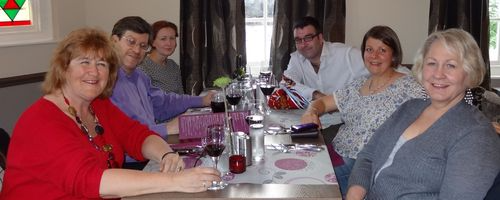
Favorite Places, Beloved Friends
One of my favorite places in Cushendall is Harry’s on Mill Street, right across the street from Johnny Joe’s pub. The first time I went there, I had driven up from Athlone with Liz Weir and we were starving. We didn’t stop at the barn first; we went directly to dinner and I had a…
-
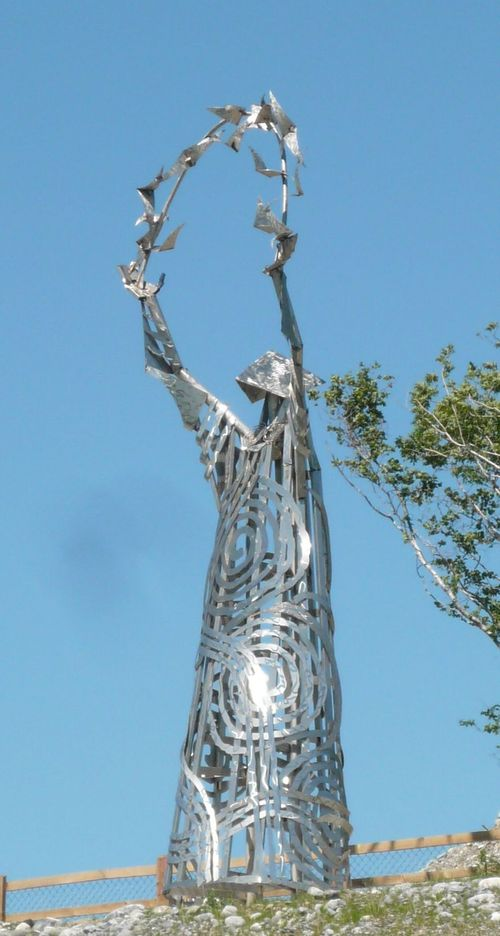
Seven is Supposed to Be a Lucky Number
"Seven is supposed to be a lucky number. I always think of the seven chapels, or maybe the seven deadly sins. Or, what about the seven great Dublin mysteries? There was morals, mercenaries, music, and monasteries, money, mutts and marriage – especially marriage." (Ronnie Drew's opening to Do You Remember, Jem?) I’ve just arrived…
-
Breton “Pardons” by Cheryl Rutherford
“Pardons” are Breton religious ceremonies and Pilgrimages. These Pardons have been called the last vestiges of the “Feast of the Dead.“ The faithful go on a pilgrimage to either the tomb of a Saint or a place dedicated to a Saint, sometimes associated with miraculous appearances or holy relics of saints. There are five major…
-
The Story of Babushka: A Christmas Folktale? by Andrea Coulter
When researching this folktale I found that the word Babushka has more than one meaning: a woman's scarf, often triangular, used as a hood with two of the ends tied under the chin, or an elderly Russian woman, especially an elderly grandmother. It is pronounced “bah-BOOSH-kah,” It is believed that the story of Babushka is not a Russian…
-
Russian Easter by Andrea Coulter
Easter is the most important holiday in the Russian Orthodox Church. During the Easter celebration Russian’s eat Paskha which is a meal made from sweet cottage cheese which is usually eaten at breakfast; breakfast is an important ritual because it brings the family members together. Another important ritual is the Easter egg; they show a symbol…
-
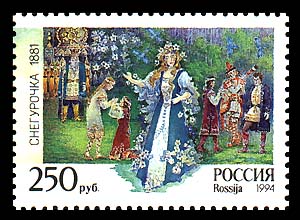
Christmas in Russa by Andrea Coulter
Christmas in Russia is most widely celebrated on January 7th, according to the Orthodox calendar. Some Russians observe two Christmases the first on December 25th and the second on January 7th. The Russian Santa Claus is named Ded Moroz, or Father Frost. He brings presents to children to place under the New Year's tree. He carries…
-
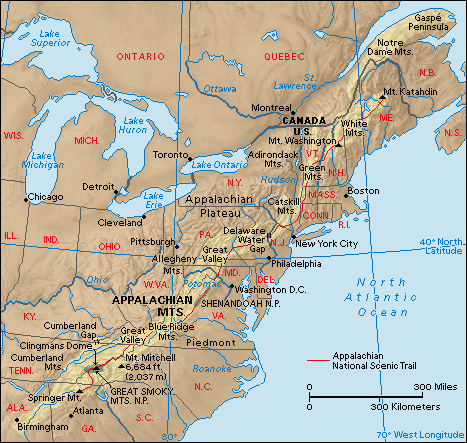
The Appalachian Mountains by Mark Compton
The Appalachian Mountains run from the state of Maine down south to Alabama, although the tales and folklore which have become very popular and are attributed to Appalachian culture come mostly from the southern parts of the mountain region. It is the southern region that has kept its older ways, more so than in the…
-
Jack Tales by Mark Compton
Jack Tales are perhaps the most well known stories to come from Appalachian culture. They are considered wonder tales and derive from an old Germanic oral narrative tradition used for the education of princes. Like many cultural traditions in the Appalachian Mountains today, these stories were close to the hearts of the earliest emigrants who came…
-
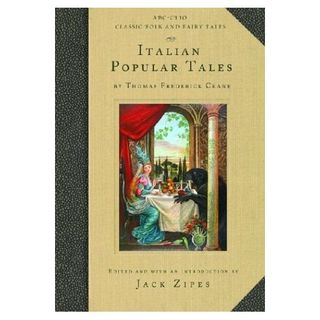
Folktales – A Source of National Pride by Kathy Eastman
Jack Zipes wrote the introduction to Italian Popular Tales by Thomas Crane. Zipes includes a biography of the author and an analysis of Crane’s contribution to the field. Thomas Crane predates Italio Calvino by almost 100 years and is an American. In the introduction Zipes quotes Crane, who relates the “rise of interest in Italian…
-
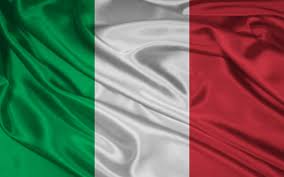
Italian Flag Dinner –Which Part is Italian?! by Kathy Eastman
Italian Flag dinner consists of layers of polenta, spinach/basil, and tomato sauce, topped with melted mozzarella cheese. Many of the techniques for making this dish have a long history in Italian cooking, but the ingredients come from all over the world. For example, polenta is made from corn a new world product but the slow…